
Loading
Loading
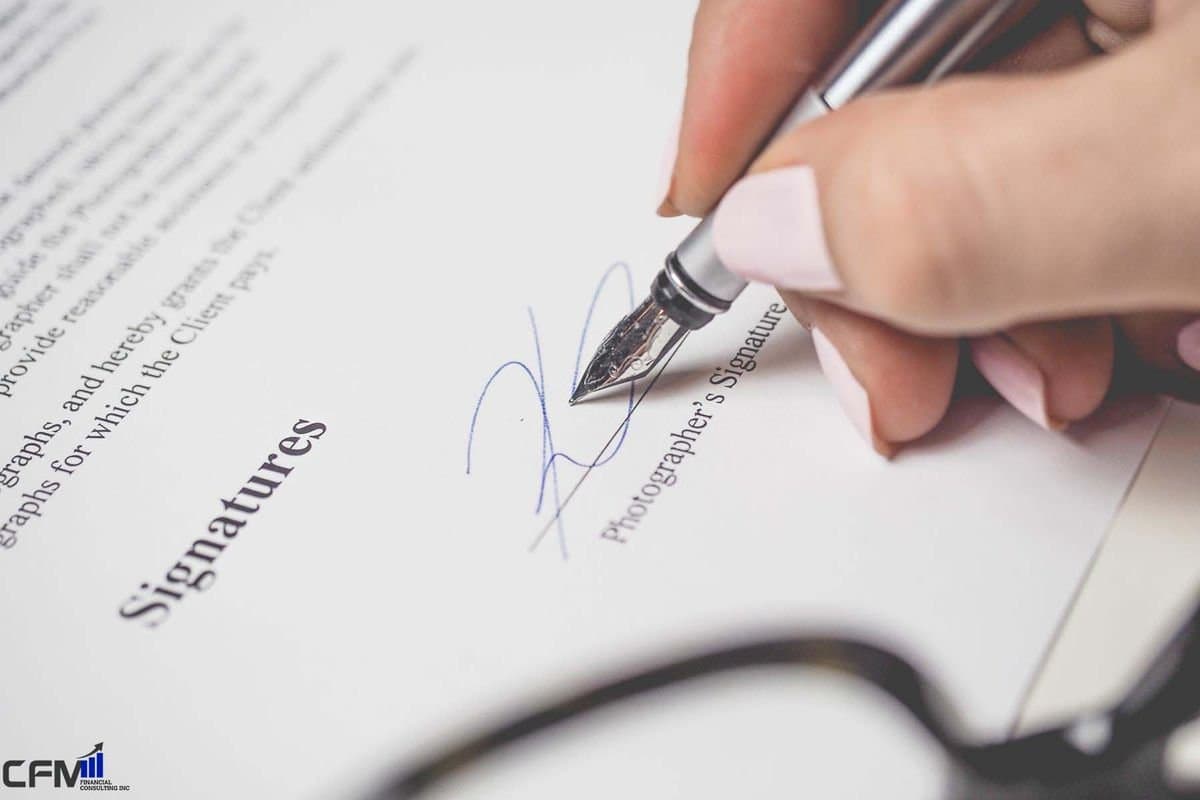
Tenancy contract Renewals in Dubai can seem complicated, but understanding the rules helps both tenants and landlords avoid issues. The process is governed by the Dubai Land Department (DLD) and the Real Estate Regulatory Agency (RERA), which set clear standards to ensure fairness and transparency.
Both parties have the right to initiate renewal, but following the correct procedures and timelines is key to a smooth experience. This guide explains the legal framework, renewal steps, notice periods, possible fees, and what happens if a contract isn’t renewed.
Tenancy renewals in Dubai are regulated by Law No. 26 of 2007 and Law No. 33 of 2008, as well as by DLD and RERA guidelines. These rules are designed to protect both sides and provide a structured process.
Either the tenant or landlord can begin the renewal process, but it must start at least 90 days before the lease expires unless the contract states otherwise. The renewal must also be registered with Ejari, which makes the agreement legally binding and keeps an official record.
In general, renewal involves:
1. Timing: Start renewal discussions at least 90 days before the contract ends. 2. Required Documents: Current Ejari certificate, signed tenancy contract, copies of passports and visas for both parties, property title deed, and (if applicable) a No Objection Certificate from the landlord. 3. Where to Renew: Online via the Ejari portal or at an authorized typing center. 4. Process: Complete the renewal form, attach documents, and pay any required renewal fees. 5. Compliance: Both parties must adhere to DLD and RERA rules to keep the contract valid.
If you’re a tenant considering other options, explore our [Dubai rental listings] to see what’s available during your renewal period.

There’s no government-mandated renewal fee, but some administrative or agency fees may apply especially for Ejari updates or broker services.
Tenants should:
Renewal notices must be given at least 90 days before expiry, unless otherwise stated in the contract. Notices can be sent by registered mail, confirmed email, or hand delivery with acknowledgment. Always use a method that provides proof of delivery to avoid disputes.
These rules protect both landlords and tenants. If either party wants to change the rent or any contract terms, written notice must be given at least 90 days before the lease ends.
Rent increases are capped based on RERA’s rent calculator. Generally:
Landlords cannot raise rent without sufficient notice, and any change must comply with RERA’s formula. You can check your property on the RERA Rent Calculator to confirm eligibility for an increase.
Both tenants and landlords can choose not to renew. Under Under Law No. 33 of 2008, landlords must give 12 months’ written notice if they plan to evict a tenant. Valid reasons include:
Reasons like minor maintenance or wanting new tenants do not qualify as valid. Handling non-renewal properly helps avoid disputes and ensures compliance with Dubai’s rental laws.
Review your contract early to stay informed and in control of your tenancy renewal.
Osacproperties is here to guide you through all of this.


